Change the World Book Review Written by M
100
I Feel Bad Most My Neck
by Nora Ephron (2006)
Perhaps amend known for her screenwriting (Silkwood, When Harry Met Emerge, Heartburn), Ephron's brand of smart theatrical humour is on best display in her essays. Confiding and self-deprecating, she has a way of always managing to sound like your best friend – even when writing about her apartment on New York's Upper West Side. This wildly enjoyable collection includes her droll observations most ageing, vanity – and a scorching appraisement of Bill Clinton.
Read the review
99
Broken Glass
by Alain Mabanckou (2005), translated by Helen Stevenson (2009)
The Congolese writer says he was "trying to interruption the French linguistic communication" with Broken Glass – a blackness comedy told by a disgraced teacher without much in the way of full stops or paragraph breaks. As Mabanckou's unreliable narrator munches his "wheel craven" and drinks his scarlet wine, it becomes clear he has the history of Congo-brazzaville and the whole of French literature in his sights.
Read the review

98
The Girl With the Dragon Tattoo
by Stieg Larsson (2005), translated by Steven T Murray (2008)
Radical announcer Mikael Blomkvist forms an unlikely alliance with troubled young hacker Lisbeth Salander as they follow a trail of murder and malfeasance continued with one of Sweden's about powerful families in the offset novel of the bestselling Millennium trilogy. The high-level intrigue beguiled millions of readers, brought "Scandi noir" to prominence and inspired innumerable copycats.
Read the review
97
Harry Potter and the Goblet of Fire
by JK Rowling (2000)
A generation grew up on Rowling'due south all-conquering magical fantasies, but countless adults have as well been enthralled by her immersive world. Book four, the first of the doorstoppers, marks the point where the series really takes off. The Triwizard Tournament provides step and tension, and Rowling makes her male child wizard look death in the eye for the starting time time.
Read the review
96
A Little Life
by Hanya Yanagihara (2015)
This operatically harrowing American gay melodrama became an unlikely bestseller, and one of the most divisive novels of the century so far. Ane man's life is blighted by abuse and its aftermath, but also illuminated by love and friendship. Some readers wept all nighttime, some condemned information technology as titillating and exploitative, but no one could deny its ability.
Read the review
95
Chronicles: Volume One
by Bob Dylan (2004)
Dylan's reticence about his personal life is a central function of the singer-songwriter'due south make, and then the gaps and omissions in this memoir come as no surprise. The result is both sharp and dreamy, sliding in and out of dissimilar phases of Dylan'south career merely rooted in his primeval days as a Woody Guthrie wannabe in New York Urban center. Fans are still waiting for volume two.
Read the review

94
The Tipping Betoken
by Malcolm Gladwell (2000)
The New Yorker staff writer examines phenomena from shoe sales to offense rates through the lens of epidemiology, reaching his own tipping point, when he became a rock-star intellectual and unleashed a wave of quirky studies of contemporary order. Ii decades on, Gladwell is often accused of oversimplification and scarlet picking, just his idiosyncratic bestsellers have helped shape 21st-century culture.
Read the review
93
Darkmans
by Nicola Barker (2007)
British fiction's most anarchic author is as prolific as she is playful, only this freewheeling, visionary ballsy set effectually the Thames Gateway is her magnum opus. Barker brings her customary linguistic invention and wild humour to a tale virtually history'due south hold on the present, as contemporary Ashford is haunted past the spirit of a medieval jester.
Read the review
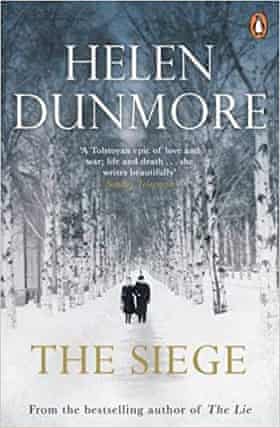
92
The Siege
by Helen Dunmore (2001)
The Levin family unit battle confronting starvation in this novel set during the German siege of Leningrad. Anna digs tank traps and dodges patrols as she scavenges for wood, simply the hand of history is difficult to escape.
Read the review
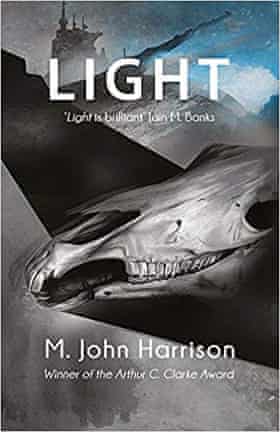
91
Light
by M John Harrison (2002)
I of the about underrated prose writers demonstrates the literary firepower of science fiction at its best. Three narrative strands – spanning far-future space opera, gimmicky unease and virtual-reality pastiche – are braided together for a breathtaking metaphysical voyage in pursuit of the mystery at the heart of reality.
Read the review
90
Visitation
by Jenny Erpenbeck (2008), translated by Susan Bernofsky (2010)
A grand firm by a lake in the e of Deutschland is both the setting and primary character of Erpenbeck's third novel. The turbulent waves of 20th-century history crash over it as the business firm is sold by a Jewish family fleeing the Third Reich, requisitioned by the Russian ground forces, reclaimed past exiles returning from Siberia, and sold again.
Read the review
89
Bad Blood
by Lorna Sage (2000)
A Whitbread prizewinning memoir, full of perfectly called phrases,
that is i of the best accounts of family unit dysfunction ever written.
Sage grew upwardly with her grandparents, who hated each other: he was a drunken philandering vicar; his wife, having found his diaries,
blackmailed him and lived in another function of the business firm. The
author gets unwittingly significant at 16, yet the story has a happy
ending.
Read the review
88
Noughts & Crosses
past Malorie Blackman (2001)
Prepare in an culling U.k., this groundbreaking piece of young adult fiction sees blackness people, called the Crosses, hold all the power and influence, while the noughts – white people – are marginalised and segregated. The former children's laureate's series is a crucial piece of work for explaining racism to young readers.
87
Priestdaddy
by Patricia Lockwood (2017)
This may non exist the just account of living in a religious household in the American midwest (in her youth, the author joined a grouping called God's Gang, where they spoke in tongues), but it is surely the funniest. The author started out as the "poet laureate of Twitter"; her language is vivid, and she has a completely original mind.
Read the review
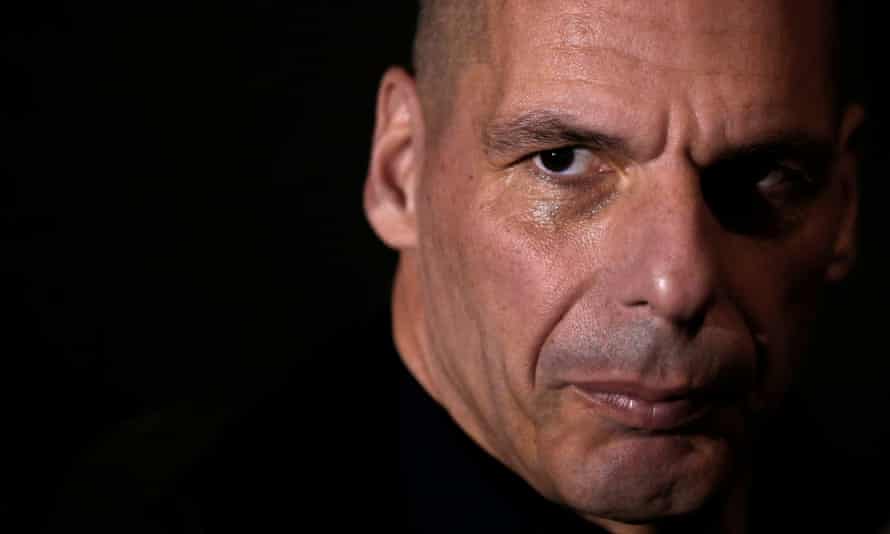
86
Adults in the Room
past Yanis Varoufakis (2017)
This memoir by the leather-jacketed economist of the six months he spent as Greece'south finance minister in 2015 at a fourth dimension of economic and political crisis has been described as "one of the best political memoirs always written". He comes upwardly against the IMF, the European institutions, Wall Street, billionaires and media owners and is told how the system works – equally a issue, his book is a telling description of modernistic power.
Read the review
85
The God Delusion
by Richard Dawkins (2006)
A key text in the days when the "New Disbelief" was much talked about, The God Mirage is a hard-hitting attack on religion, total of Dawkins's confidence that organized religion produces fanatics and all arguments for God are ridiculous. What the evolutionary biologist lacks in philosophical composure, he makes upward for in passion, and the book sold in huge numbers.
Read the review
84
The Cost of Living
by Deborah Levy (2018)
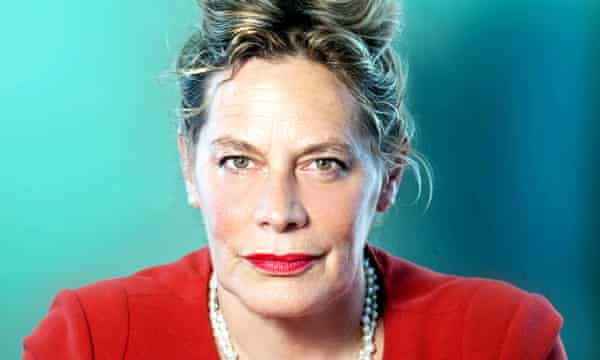
"Chaos is supposed to be what we most fearfulness but I have come to believe it might be what we most desire ... " The second part of Levy's "living memoir", in which she leaves her matrimony, is a fascinating companion piece to her deep still playful novels. Feminism, mythology and the daily grind come together for a volume that combines emotion and intellect to dazzling effect.
Read the review
83
Tell Me How It Ends
by Valeria Luiselli (2016), translated past Luiselli with Lizzie Davis (2017)
Every bit the hysteria over immigration to the US began to build in 2015, the Mexican novelist volunteered to work as an interpreter in New York's federal immigration court. In this powerful series of essays she tells the poignant stories of the children she met, situating them in the wider context of the troubled relationship between the Americas.
Read the review
82
Coraline
past Neil Gaiman (2002)
From the Sandman comics to his fantasy epic American Gods to Twitter, Gaiman towers over the world of books. But this perfectly achieved children's novella, in which a plucky young daughter enters a parallel world where her "Other Female parent" is a spooky copy of her real-life mum, with buttons for optics, might be his finest hour: a properly scary modern myth which cuts right to the heart of babyhood fears and desires.
Read the review
81
Harvest
by Jim Crace (2013)
Crace is fascinated by the moment when one era gives way to another. Hither, it is the enclosure of the commons, a fulcrum of English history, that drives his story of dispossession and displacement. Set in a village without a name, the narrative dramatises what it's similar to run across the world y'all know come to an end, in a severance of the connectedness between people and country that has deep relevance for our time of climate crisis and forced migration.
Read the review
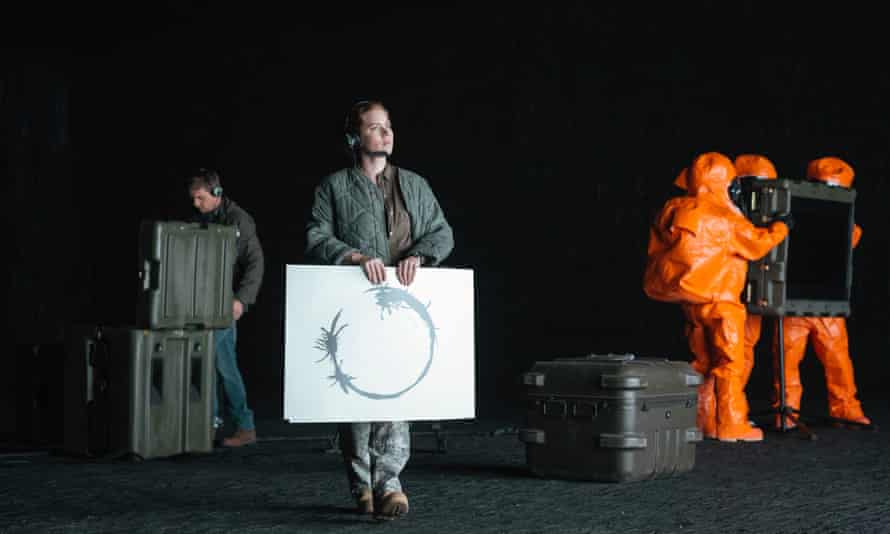
80
Stories of Your Life and Others
by Ted Chiang (2002)
Melancholic and transcendent, Chiang's viii, high-concept sci-fi stories exploring the nature of language, maths, religion and physics racked up numerous awards and a wider audition when 'Story of Your Life' was adapted into the 2016 film Arrival.
Read the review
79
The Spirit Level
by Richard Wilkinson and Kate Pickett (2009)
An middle-opening study, based on overwhelming bear witness, which revealed
that among rich countries, the "more equal societies almost always do
better" for all. Growth matters less than inequality, the authors
argued: whether the issue is life expectancy, infant mortality, crime
rates, obesity, literacy or recycling, the Scandinavian countries,
say, volition always win out over, say, the UK.
Read the review
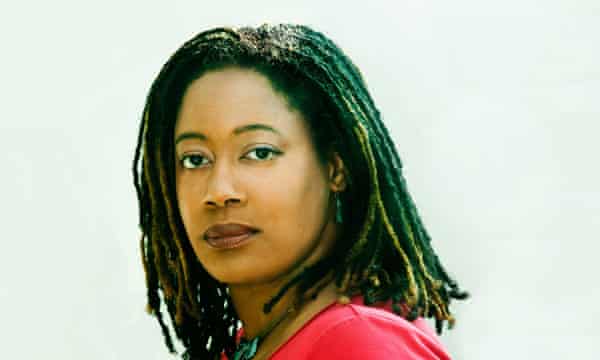
78
The Fifth Flavour
by NK Jemisin (2015)
Jemisin became the showtime African American writer to win the best novel category at the Hugo awards for her get-go book in the Cleaved Earth trilogy. In her intricate and richly imagined far hereafter universe, the world is ending, ripped apart by relentless earthquakes and volcanoes. Against this apocalyptic properties she explores urgent questions of power and enslavement through the eyes of three women. "As this genre finally acknowledges that the dreams of the marginalised matter and that all of usa accept a time to come," she said in her acceptance speech, "then will get the world. (Presently, I hope.)"
77
Signs Preceding the End of the World
past Yuri Herrera (2009), translated by Lisa Dillman (2015)
Makina sets off from her village in Mexico with a package from a local gangster and a message for her brother, who has been gone for iii years. The story of her crossing to the US examines the blurring of boundaries, the commingling of languages and the blending of identities that complicate the idea of an eventual return.
Read the review
76
Thinking, Fast and Boring
by Daniel Kahneman (2011)
The Nobel laureate'southward unexpected bestseller, on the minutiae of decision-making, divides the brain into two. Organization One makes judgments quickly, intuitively and automatically, as when a batsman decides whether to cut or pull. Organisation Two is slow, calculated and deliberate, similar long sectionalization. But psychologist Kahneman argues that, although System Ii thinks information technology is in control, many of our decisions are really made by Organisation One.
Read the review

75
Drive Your Plow Over the Bones of the Dead
past Olga Tokarczuk (2009), translated by Antonia Lloyd-Jones (2018)
In this existential eco-thriller, a William Blake-obsessed eccentric investigates the murders of men and animals in a remote Polish village. More accessible and focused than Flights, the novel that won Tokarczuk the Man International Booker prize, it is no less profound in its examination of how atavistic male impulses, emboldened past the new rightwing politics of Europe, are endangering people, communities and nature itself.
Read the review
74
Days Without End
by Sebastian Barry (2016)
In this savagely cute novel prepare during the Indian wars and American ceremonious war, a young Irish gaelic boy flees famine-struck Sligo for Missouri. In that location he finds lifelong companionship with another emigrant, and they join the ground forces on its brutal journeying due west, laying waste to Indian settlements. Viscerally focused and intense, yet imbued with the grandeur of the landscape, the book explores beloved, gender and survival with a rare, luminous power.
Read the review
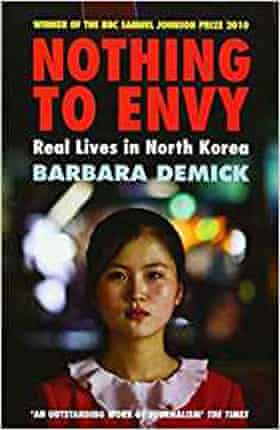
73
Cypher to Green-eyed
past Barbara Demick (2009)
Los Angeles Times journalist Barbara Demick interviewed around 100 North Korean defectors for this propulsive work of narrative not-fiction, only she focuses on just half dozen, all from the north-eastern city of Chongjin – closed to foreigners and less media-ready than Pyongyang. Northward Korea is revealed to be rife with poverty, abuse and violence simply populated past resilient people with a remarkable ability to see past the propaganda all around them.
Read the review
72
The Age of Surveillance Capitalism
by Shoshana Zuboff (2019)
An agenda-setting volume that is devastating about the extent to which big tech sets out to dispense u.s.a. for profit. Non simply another expression of the "techlash", Zuboff'south ambitious written report identifies a new course of capitalism, one involving the monitoring and shaping of our behaviour, often without our noesis, with profound implications for democracy. "Once we searched Google, simply now Google searches us."
Read the review
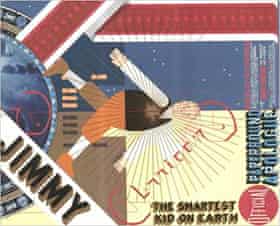
71
Jimmy Corrigan: The Smartest Child on Earth
by Chris Ware (2000)
At the time when Ware won the Guardian offset volume award, no graphic novel had previously won a generalist literary prize. Emotional and artistic complexity are perfectly poised in this account of a listless 36-year-old office dogsbody who is thrown into an existential crisis past an encounter with his estranged dad.
Read the review
70
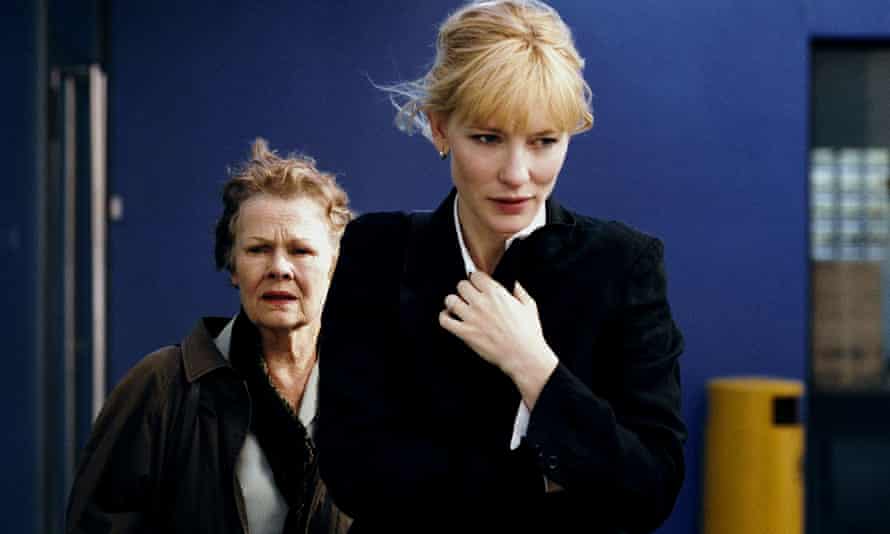
Notes on a Scandal
by Zoë Heller (2003)
Sheba, a center-aged teacher at a London comprehensive, begins an thing with her 15-year-sometime educatee - simply we hear nearly information technology from a fellow instructor, the needy Barbara, whose obsessive nature drives the narrative. With shades of Patricia Highsmith, this teasing investigation into sex, class and loneliness is a night marvel.
Read the review
69
The Infatuations
by Javier Marías (2011), translated past Margaret Jull Costa (2013)
The Spanish principal examines chance, love and decease in the story of an apparently random killing that gradually reveals hidden depths. Marías constructs an elegant murder mystery from his trademark labyrinthine sentences, but this investigation is in pursuit of much meatier questions than whodunnit.
Read the review
68
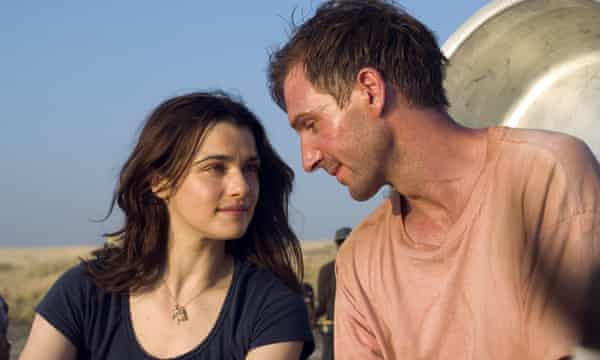
The Constant Gardener
past John le Carré (2001)
The master of the cold war thriller turned his attention to the new world lodge in this spooky investigation into the corruption powering big pharma in Africa. Based on the case of a rogue antibiotics trial that killed and maimed children in Nigeria in the 1990s, it has all the dash and say-so of his earlier novels while precisely and presciently anatomising the dangers of a rampant neo-imperialist capitalism.
Read the review
67
The Silence of the Girls
by Pat Barker (2018)
If the western literary canon is founded on Homer, and so it is founded on women's silence. Barker'southward extraordinary intervention, in which she replays the events of the Iliad from the signal of view of the enslaved Trojan women, chimed with both the #MeToo motility and a wider drive to foreground suppressed voices. In a world all the same at war, it has chilling gimmicky resonance.
Read the review
66
Vii Cursory Lessons on Physics
past Carlo Rovelli (2014)
A theoretical physicist opens a window on to the cracking questions of the universe with this 96-folio overview of modern physics. Rovelli's keen insight and striking metaphors make this the best introduction to subjects including relativity, quantum mechanics, cosmology, simple particles and entropy outside of a course in advanced physics.
Read the review
65
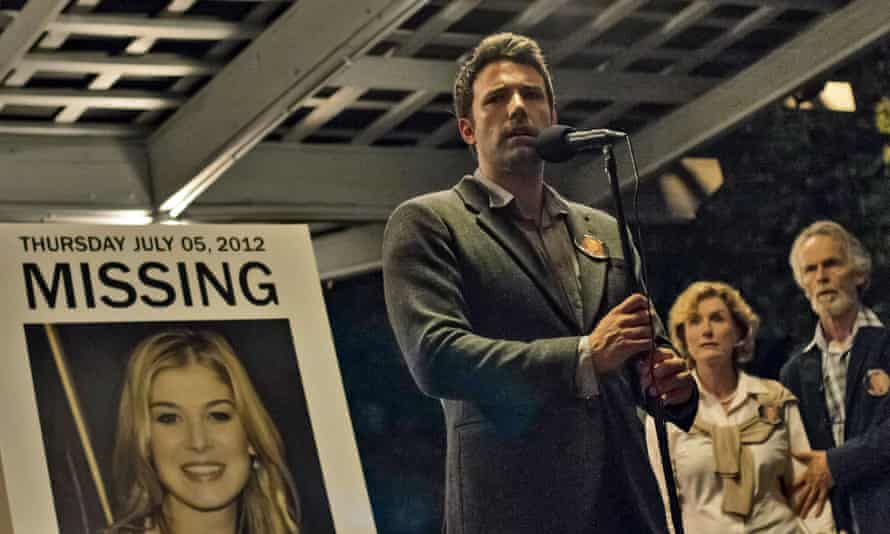
Gone Girl
past Gillian Flynn (2012)
The deliciously dark US crime thriller that launched a thousand imitators and took the concept of the unreliable narrator to new heights. A woman disappears: we think we know whodunit, but we're wrong. Flynn's stylishly written portrait of a toxic spousal relationship set against a properties of social and economic insecurity combines psychological depth with sheer unputdownable flair.
Read the review
64
On Writing
by Stephen King (2000)
Written after a most-fatal accident, this combination of memoir and masterclass past fiction's most successful mod storyteller showcases the blunt, casual luminescence of King at his all-time. Besides as being genuinely useful, it'due south a fascinating chronicle of literary persistence, and of a lifelong love affair with linguistic communication and narrative.
Read the review
63
The Immortal Life of Henrietta Lacks
past Rebecca Skloot (2010)
Henrietta Lacks was a black American who died in agony of cancer in a "coloured" infirmary ward in 1951. Her cells, taken without her knowledge during a biopsy, went on to change medical history, being used around the world to develop countless drugs. Skloot skilfully tells the boggling scientific story, just in this volume the voices of the Lacks children are crucial – they have struggled desperately even as billions take been made from their mother's "HeLa" cells.
Read the review

62
Mother'due south Milk
by Edward St Aubyn (2006)
The fourth of the autobiographical Patrick Melrose novels finds the wealthy protagonist – whose flying from atrocious memories of child abuse into drug abuse was the focus of the beginning books – commencement to grope subsequently redemption. Elegant wit and subtle psychology elevator grim discipline matter into seductive luminescence.
Read the review
61
This Firm of Grief
by Helen Garner (2014)
A man drives his three sons into a deep swimming and swims out, leaving them to drown. But was it an accident? This 2005 tragedy caught the attending of 1 of Australia'south greatest living writers. Garner puts herself centre phase in an account of Robert Farquharson's trial that combines forensic detail and rich humanity.
Read the review
60
Dart
by Alice Oswald (2002)
This volume-length poem is a mesmerising tapestry of "the river'due south mutterings", based on iii years of recording conversations with people who live and piece of work on the River Sprint in Devon. From swimmers to sewage workers, boatbuilders to bailiffs, salmon fishers to ferryman, the voices are varied and vividly brought to life.
Read the review
59
The Beauty of the Married man
by Anne Carson (2002)
I of Canada's virtually historic poets examines love and want in a drove that describes itself as "a fictional essay in 39 tangos". Carson charts the course of a doomed wedlock in loose-limbed lines that follow the switchbacks of thought and feeling from showtime meeting through multiple infidelities to make it at eventual divorce.
58
Postwar
by Tony Judt (2005)
This grand survey of Europe since 1945 begins with the devastation left behind by the second world war and offers a panoramic narrative of the cold war from its beginnings to the collapse of the Soviet bloc – a part of which Judt witnessed immediate in Czechoslovakia's velvet revolution. A very complex story is told with page-turning urgency and what may now be read every bit nostalgic organized religion in "the European thought".
Read the review
57
The Amazing Adventures of Kavalier and Clay
past Michael Chabon (2000)
A love story to the golden age of comics in New York, Chabon's Pulitzer-winner features 2 Jewish cousins, 1 smuggled out of occupied Prague, who create an anti-fascist comic book superhero called The Escapist. Their ain adventures are equally exciting and highly coloured as the ones they write and draw in this generous, open-hearted, deeply lovable rollercoaster of a volume.
Read the review
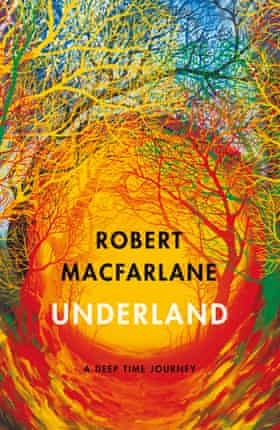
56
Underland
by Robert Macfarlane (2019)
A beautifully written and profound volume, which takes the class of a
serial of (oft hair-raising and claustrophobic) voyages hush-hush
– from the fjords of the Arctic to the Parisian catacombs. Trips beneath
the surface inspire reflections on "deep" geological time and raise
urgent questions about the human impact on planet Earth.
Read the review
55
The Omnivore'due south Dilemma
by Michael Pollan (2006)
An entertaining and highly influential book from the writer best known for his advice: "Eat food, non as well much, mostly plants." The author follows iv meals on their journeying from field to plate – including one from McDonald's and a locally sourced organic feast. Pollan is a skilled, amusing storyteller and The Omnivore'due south Dilemma changed both food writing and the way we see food.
Read the review
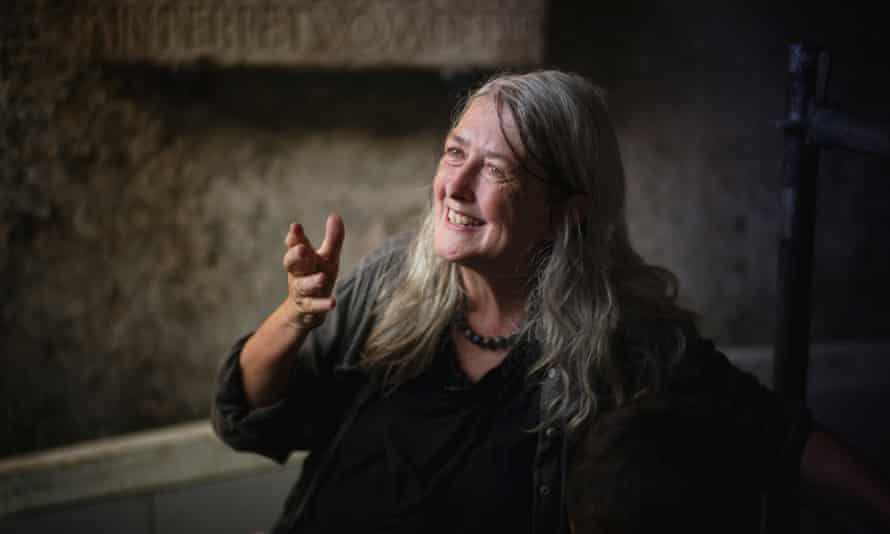
54
Women & Ability
by Mary Beard (2017)
Based on Bristles's lectures on women's voices and how they accept been silenced, Women and Power was an enormous publishing success in the "#MeToo"' year 2017. An exploration of misogyny, the origins of "gendered spoken communication" in the classical era and the problems the male earth has with potent women, this slim manifesto became an instant feminist classic.
Read the review
53
True History of the Kelly Gang
by Peter Carey (2000)
Carey's second Booker winner is an irresistible bout de forcefulness of literary ventriloquism: the supposed autobiography of 19th-century Australian outlaw and "wild colonial male child" Ned Kelly, inspired by a fragment of Kelly'south own prose and written as a glorious blitz of semi-punctuated vernacular storytelling. Mythic and tender past turns, these are tall tales from a lost frontier.
Read the review
52
Small Island
past Andrea Levy (2004)
Pitted against a backdrop of prejudice, this London-prepare novel is told by four protagonists – Hortense and Gilbert, Jamaican migrants, and a stereotypically English couple, Queenie and Bernard. These varied perspectives, illuminated by honey and loyalty, combine to create a thoughtful mosaic depicting the complex beginnings of Britain's multicultural society.
Read the review
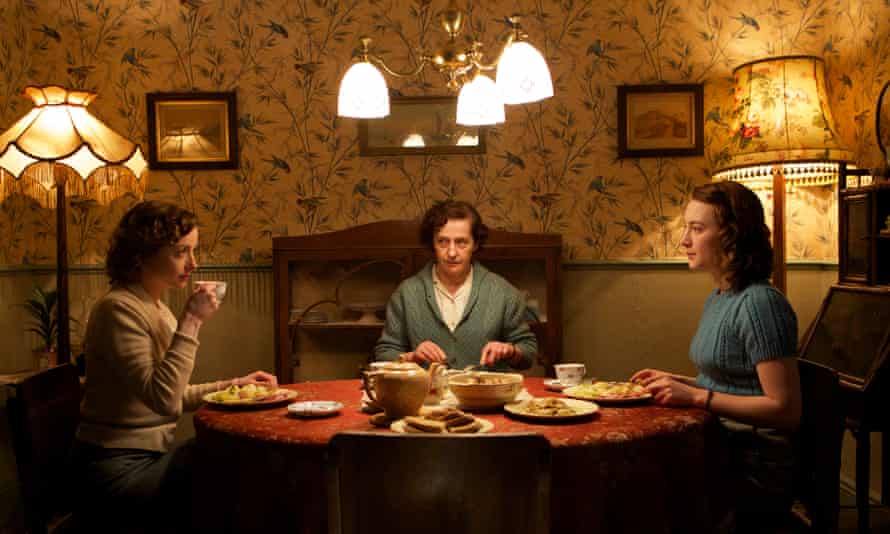
51
Brooklyn
by Colm Tóibín (2009)
Tóibín'southward sixth novel is set in the 1950s, when more than 400,000 people left Ireland, and considers the emotional and existential impact of emigration on one young woman. Eilis makes a life for herself in New York, only is fatigued dorsum by the possibilities of the life she has lost at domicile. A universal story of dear, endurance and missed chances, fabricated radiant through Tóibín's measured prose and tender understatement.
Read the review
50
Oryx and Crake
by Margaret Atwood (2003)
In the outset volume in her dystopian MaddAddam trilogy, the Booker winner speculates about the havoc science tin wreak on the world. The big warning here – don't trust corporations to run the planet – is blaring louder and louder as the century progresses.
Read the review
49
Why Be Happy When You Could Be Normal?
by Jeanette Winterson (2011)
The championship is the question Winterson's adoptive female parent asked as she threw her daughter out, aged sixteen, for having a girlfriend. The autobiographical story backside Oranges Are Non the Only Fruit, and the trials of Winterson's later life, is urgent, wise and moving.
Read the review
48
Dark Watch
by Terry Pratchett (2002)
Pratchett's mighty Discworld series is a loftier point in modernistic fiction: a parody of fantasy literature that deepened and darkened over the decades to create incisive satires of our ain globe. The 29th book, focusing on unlikely heroes, displays all his tearing intelligence, acrimony and wild humor, in a story that'south moral, humane – and hilarious.
Read the review
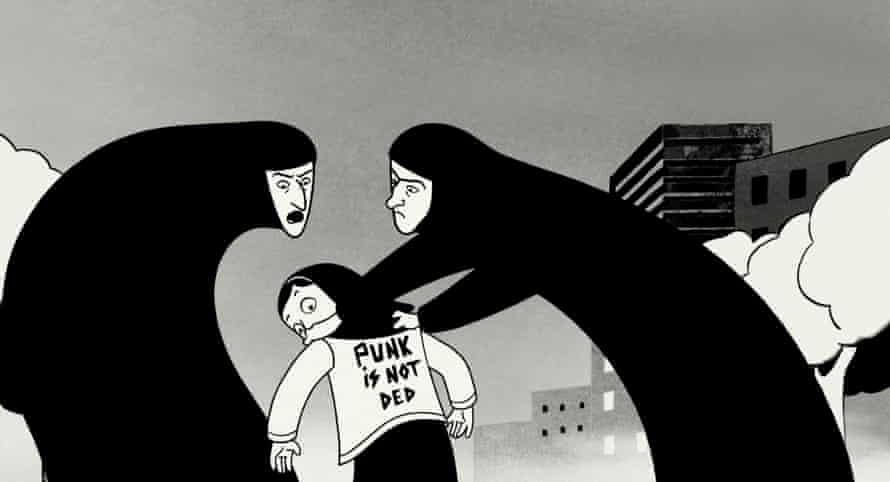
47
Persepolis
by Marjane Satrapi (2000-2003), translated by Mattias Ripa (2003-2004)
Satrapi'due south autobiographical graphic novel follows her coming-of-age in the lead upwards to and during the Iranian revolution. In this riotous memoir, Satrapi focuses on one young life to reveal a hidden history.
46
Human Concatenation
by Seamus Heaney (2010)
The Nobel laureate tends to the fragments of memory and loss with moving precision in his final poetry collection. A book of elegies and echoes, these poems are infused with a haunting sense of pathos, with a line oft left hanging to suspend the reader in longing and regret.
Read the review
45
Levels of Life
by Julian Barnes (2013)
The British novelist combines fiction and non-fiction to form a searing essay on grief and love for his late wife, the literary amanuensis Pat Kavanagh. Barnes divides the volume into iii parts with disparate themes – 19th-century ballooning, photography and marriage. Their convergence is wonderfully achieved.
Read the review
44
Hope in the Nighttime
past Rebecca Solnit (2004)
Writing against "the tremendous despair at the peak of the Bush administration'due south powers and the outset of the state of war in Iraq", the U.s.a. thinker finds optimism in political activism and its power to change the world. The book ranges widely from the autumn of the Berlin wall to the Zapatista uprising in Mexico, to the invention of Viagra.
Read the review

43
Citizen: An American Lyric
past Claudia Rankine (2014)
From the tiresome emergency response in the black suburbs destroyed by hurricane Katrina to a mother trying to move her daughter away from a black passenger on a airplane, the poet's award-winning prose work confronts the history of racism in the U.s.a. and asks: regardless of their bodily status, who truly gets to be a citizen?
Read the review
42
Moneyball
by Michael Lewis (2010)
The author of The Big Short has made a career out of rendering the most opaque subject affair entertaining and comprehensible: Moneyball tells the story of how geeks outsmarted jocks to revolutionise baseball game using maths. But yous do not need to know or intendance well-nigh the sport, because – every bit with all Lewis'due south best writing – it's all nigh how the story is told.
Read the review
41
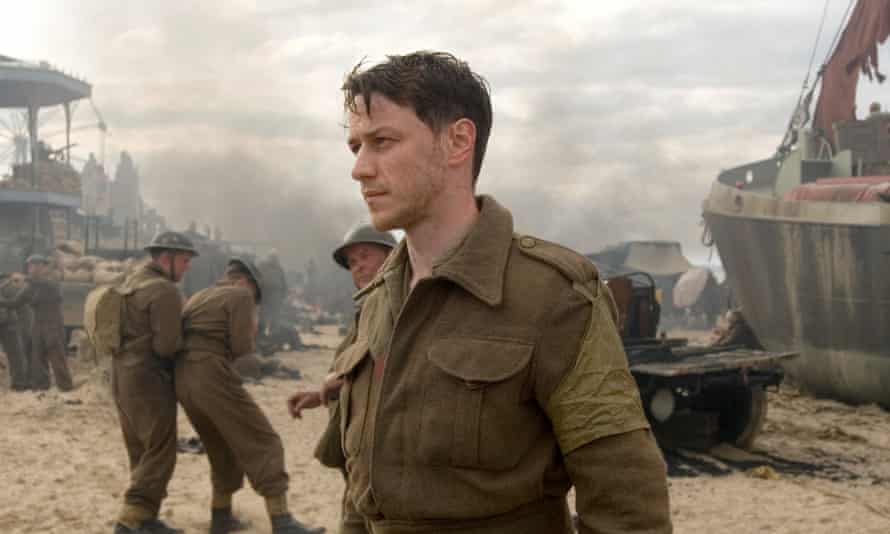
Atonement
by Ian McEwan (2001)
In that location are echoes of DH Lawrence and EM Forster in McEwan'southward finely tuned dissection of retentivity and guilt. The fates of three young people are contradistinct by a young girl'southward prevarication at the close of a sweltering 24-hour interval on a country estate in 1935. Lifelong remorse, the horror of war and devastating twists are to follow in an elegant, deeply felt meditation on the power of love and art.
Read the review
40
The Year of Magical Thinking
by Joan Didion (2005)
With common cold, clear, precise prose, Didion gives an account of the year her hubby, the author John Gregory Dunne, complanate from a fatal heart attack in their home. Her devastating exam of grief and widowhood changed the nature of writing about bereavement.
Read the review
39
White Teeth
by Zadie Smith (2000)
Prepare around the unlikely bail between two wartime friends, Smith'south debut brilliantly captures Britain's multicultural spirit, and offers a compelling insight into immigrant family life.
38
The Line of Beauty
by Alan Hollinghurst (2004)
Oxford graduate Nick Invitee has the questionable good fortune of moving into the grand due west London habitation of a rising Tory MP. Thatcher-era degeneracy is lavishly displayed as Nick falls in beloved with the son of a supermarket magnate, and the novel records how Aids began to poison gay life in London. In peerless prose, Hollinghurst captures something close to the spirit of an historic period.
Read the review
37
The Green Road
by Anne Enright (2015)
A reunion dominates the Irish novelist'south family drama, but the individual stories of the five members of the Madigan clan – the matriarch, Rosaleen, and her children, Dan, Emmet, Constance and Hanna, who escape and are bound to return – are beautifully held in balance. When the Madigans do finally come together halfway through the book, Enright masterfully reminds u.s.a. of the weight of history and family.
Read the review

36
Experience
by Martin Amis (2000)
Known for the firecracker phrases and broad satires of his fiction, Amis presented a much warmer face in his memoir. His life is haunted past the disappearance of his cousin Lucy, who is revealed xx years afterward to have been murdered by Fred West. But Amis as well has much fun recollecting his "velvet-suited, snakeskin-booted" youth, and paints a moving portrait of his father's comic gusto as old age reduces him to a kind of "anti-Kingsley".
Read the review
35
The Hare with Amber Optics
by Edmund de Waal (2010)
In this exquisite family memoir, the ceramicist explains how he came to inherit a collection of 264 netsuke – small Japanese ornaments – from his great-uncle. The unlikely survival of the netsuke entails De Waal telling a story that moves from Paris to Austria under the Nazis to Nippon, and he beautifully conjures a sense of place. The book doubles as a prepare of profound reflections on objects and what they mean to us.
Read the review
34
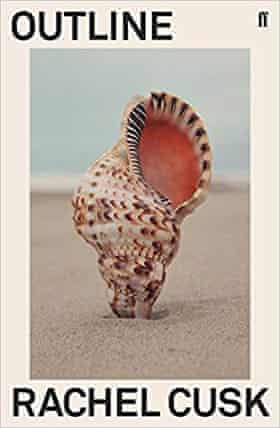
Outline by Rachel
Cusk (2014)
This startling piece of work of autofiction, which signalled a new direction for Cusk, follows an author pedagogy a creative writing course over one hot summer in Athens. She leads storytelling exercises. She meets other writers for dinner. She hears from other people nigh relationships, ambition, solitude, intimacy and "the cloy that exists indelibly between men and women". The stop upshot is sublime.
Read the review
33
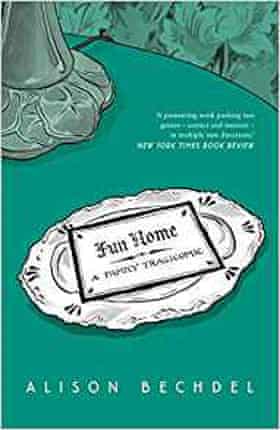
Fun Home
by Alison Bechdel (2006)
The American cartoonist's darkly humorous memoir tells the story of how her closeted gay begetter killed himself a few months after she came out as a lesbian. This pioneering work, which afterwards became a musical, helped shape the mod genre of "graphic memoir", combining detailed and cute panels with remarkable emotional depth.
Read the review
32
The Emperor of All Maladies
by Siddhartha Mukherjee (2010)
"Normal cells are identically normal; malignant cells become unhappily cancerous in unique means." In adapting the opening lines of Anna Karenina, Mukherjee sets out the breathtaking appetite of his study of cancer: not only to share the knowledge of a practising oncologist but to take his readers on a literary and historical journey.
Read the review
31
The Argonauts
by Maggie Nelson (2015)
An electrifying memoir that captured a moment in thinking about gender, and also inverse the world of books. The story, told in fragments, is of Nelson's pregnancy, which unfolds at the same time as her partner, the artist Harry Contrivance, is outset testosterone injections: "the summer of our changing bodies". Strikingly honest, originally written, with a galaxy of intellectual reference points, it is substantially a love story; one that seems to make a new mode of living possible.
Read the review
30
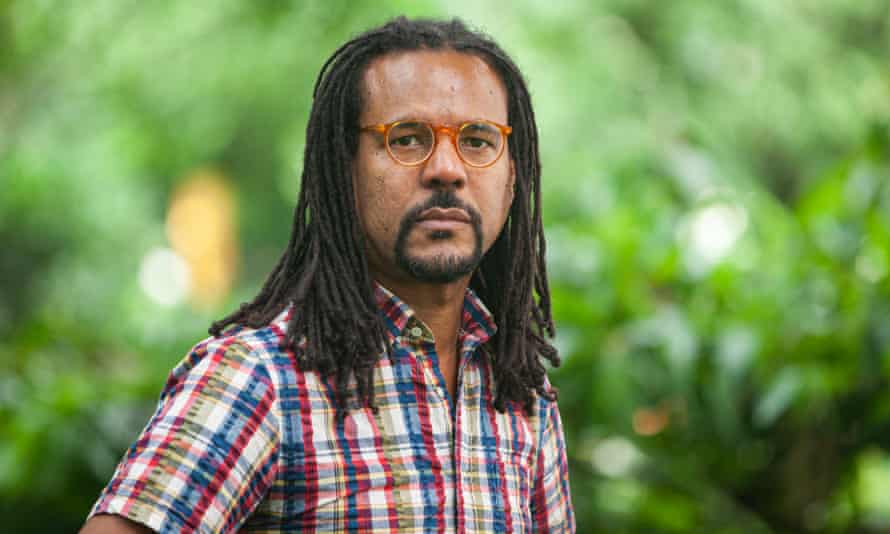
The Surreptitious Railroad
by Colson Whitehead (2016)
A thrilling, genre-bending tale of escape from slavery in the American deep south, this Pulitzer prize-winner combines extraordinary prose and uncomfortable truths. Two slaves flee their masters using the hole-and-corner railroad, the network of abolitionists who helped slaves out of the south, wonderfully reimagined by Whitehead as a steampunk vision of a literal train.
Read the review
29
A Decease in the Family unit
by Karl Ove Knausgaard (2009), translated by Don Bartlett (2012)
The first instalment of Knausgaard's relentlessly cocky-examining six-volume series My Struggle revolves around the life and death of his alcoholic begetter. Whether or not you regard him as the Proust of memoir, his compulsive honesty created a new benchmark for autofiction.
Read the review
28
Rapture
past Carol Ann Duffy (2005)
A moving, book-length poem from the Great britain's first female poet laureate, Rapture won the TS Eliot prize in 2005. From falling in love to betrayal and separation, Duffy reimagines romance with refreshing originality.
Read the review
27
Hateship, Friendship, Courting, Loveship, Marriage
by Alice Munro (2001)
Canada's observant and humane brusk story writer, who won the Nobel in 2013, is at her best in this collection. A housekeeper's fate is inverse past the pranks of her employer's teenager girl; an incorrigible flirt gracefully accepts his wife's new romance in her care home. No character acts equally at first expected in Munro'due south stories, which are attuned to the tiniest shifts in perception.
Read the review
26
Capital in the Twenty Start Century
by Thomas Piketty (2013), translated by Arthur Goldhammer (2014)
The beautifully written product of 15 years of research, Upper-case letter made its author an intellectual star – the modern Marx – and opened readers' eyes to how neoliberalism produces vastly increased inequalities. Full of data, theories and historical analysis, its bulletin is clear, and prophetic: unless governments increase tax, the new and grotesque wealth levels of the rich will encourage political instability.
Read the review

25
Normal People
by Sally Rooney (2018)
Rooney'southward second novel, a beloved story betwixt 2 clever and damaged young people coming of age in contemporary Ireland, confirmed her status as a literary superstar. Her focus is on the dislocation and uncertainty of millennial life, only her elegant prose has universal appeal.
Read the review
24
A Visit from The Goon Squad
by Jennifer Egan (2011)
Inspired by both Proust and The Sopranos, Egan'southward Pulitzer-winning one-act follows several characters in and around the Us music industry, but is really a volume about memory and kinship, time and narrative, continuity and disconnection.
Read the review
23
The Noonday Demon
by Andrew Solomon (2001)
Emerging from Solomon's own painful experience, this "anatomy" of depression examines its many faces – plus its science, sociology and treatment. The volume'due south combination of honesty, scholarly rigour and poetry fabricated it a benchmark in literary memoir and understanding of mental health.
Read the review
22
Tenth of Dec
by George Saunders (2013)
This warm nonetheless biting collection of short stories past the Booker-winning American author will restore your organized religion in humanity. No matter how weird the setting – a futuristic prison lab, a middle-class domicile where human lawn ornaments are employed as a status symbol – in these surreal satires of post-crash life Saunders reminds us of the meaning we find in modest moments.
Read the review
21
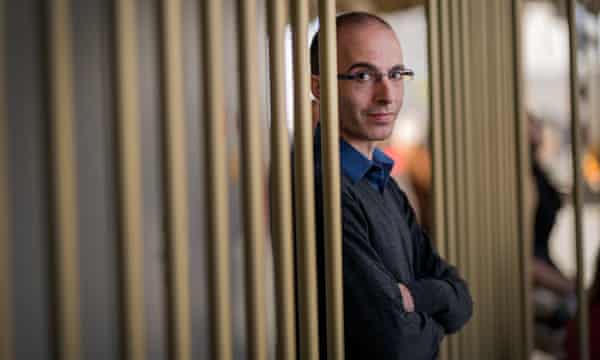
Sapiens
by Yuval Noah Harari (2011), translated by Harari with John Purcell and Haim Watzman (2014)
In his Olympian history of humanity, Harari documents the numerous revolutions Human sapiens has undergone over the last 70,000 years: from new leaps in cognitive reasoning to agriculture, science and manufacture, the era of information and the possibilities of biotechnology. Harari's scope may be also wide for some, but this engaging piece of work topped the charts and made millions marvel.
Read the review
20
Life Later on Life
by Kate Atkinson (2013)
Atkinson examines family, history and the ability of fiction every bit she tells the story of a woman born in 1910 – and then tells it again, and again, and once again. Ursula Todd's multiple lives see her strangled at nativity, drowned on a Cornish beach, trapped in an awful marriage and visiting Adolf Hitler at Berchtesgaden. But this dizzying fictional construction is grounded past such emotional intelligence that her heroine's struggles always feel painfully, joyously real.
Read the review
19
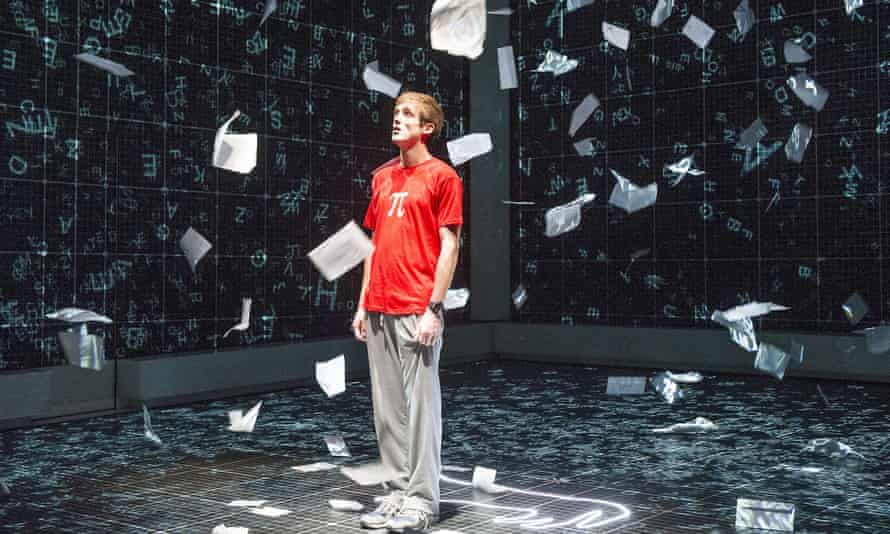
The Curious Incident of the Domestic dog in the Night‑Time
by Marker Haddon (2003)
Fifteen-twelvemonth-former Christopher John Francis Boone becomes absorbed in the mystery of a canis familiaris'south demise, meticulously investigating through diagrams, timetables, maps and maths issues. Haddon'south fascinating portrayal of an anarchistic mind was a crossover hitting with both adults and children and was adapted into a very successful stage play.
Read the review
18
The Shock Doctrine
by Naomi Klein (2007)
In this urgent test of free-market place fundamentalism, Klein argues – with accompanying reportage – that the social breakdowns witnessed during decades of neoliberal economical policies are non accidental, but in fact integral to the functioning of the free market, which relies on disaster and human suffering to function.
Read the review
17
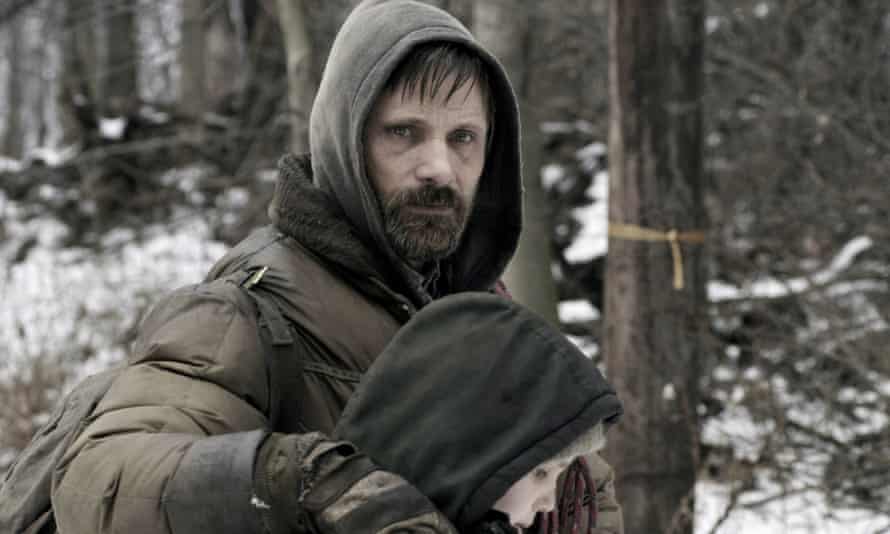
The Road
by Cormac McCarthy (2006)
A father and his young son, "each the other'south world entire", trawl beyond the ruins of mail service-apocalyptic America in this terrifying but tender story told with biblical conviction. The slide into savagery equally civilisation collapses is harrowing textile, just McCarthy's metaphysical efforts to imagine a cold night universe where the light of humanity is winking out are what brand the novel such a powerful ecological warning.
Read the review
16
The Corrections
by Jonathan Franzen (2001)
The members of one usually unhappy American family struggle to adjust to the shifting axes of their worlds over the terminal decades of the 20th century. Franzen'south move into realism reaped huge literary rewards: exploring both domestic and national conflict, this family saga is clever, funny and outrageously readable.
Read the review
15
The Sixth Extinction
by Elizabeth Kolbert (2014)
The science journalist examines with clarity and memorable detail the electric current crisis of plant and beast loss caused by human culture (over the past half billion years, at that place have been five mass extinctions on Globe; we are causing another). Kolbert considers both ecosystems – the Great Barrier Reef, the Amazon rainforest – and the lives of some extinct and shortlyhoped-for extinct creatures including the Sumatran rhino and "the well-nigh beautiful bird in the world", the blackness-faced honeycreeper of Maui.
Read the review
xiv
Fingersmith
by Sarah Waters (2002)
Moving from the underworld dens of Victorian London to the boudoirs of land firm gothic, and hingeing on the seduction of an heiress, Waters'due south third novel is a drippingly atmospheric thriller, a smart study of innocence and feel, and a sensuous lesbian dear story – with a plot twist to make the reader gasp.
Read the review
13
Nickel and Dimed
by Barbara Ehrenreich (2001)
In this modernistic classic of reportage, Ehrenreich chronicled her attempts to live on the minimum wage in three American states. Working first every bit a waitress, then a cleaner and a nursing home aide, she still struggled to survive, and the stories of her co-workers are shocking. The Usa economy as she experienced it is total of routine humiliation, with demands as loftier as the rewards are depression. Two decades on, this still reads similar urgent news.
Read the review
12
The Plot Against America
by Philip Roth (2004)
What if aviator Charles Lindbergh, who once chosen Hitler "a great man", had won the US presidency in a landslide victory and signed a treaty with Nazi Federal republic of germany? Paranoid yet plausible, Roth's alternative-globe novel is only more relevant in the historic period of Trump.
Read the review
eleven
My Brilliant Friend
past Elena Ferrante (2011), translated past Ann Goldstein (2012)
Powerfully intimate and unashamedly domestic, the first in Ferrante's Neapolitan serial established her equally a literary awareness. This and the iii novels that followed documented the ways misogyny and violence could determine lives, too as the history of Italy in the late 20th century.
10
Half of a Yellowish Dominicus
past Chimamanda Ngozi Adichie (2006)
When Nigerian author Adichie was growing upward, the Biafran state of war "hovered over everything". Her sweeping, evocative novel, which won the Orange prize, charts the political and personal struggles of those caught up in the conflict and explores the brutal legacy of colonialism in Africa.
Read the review
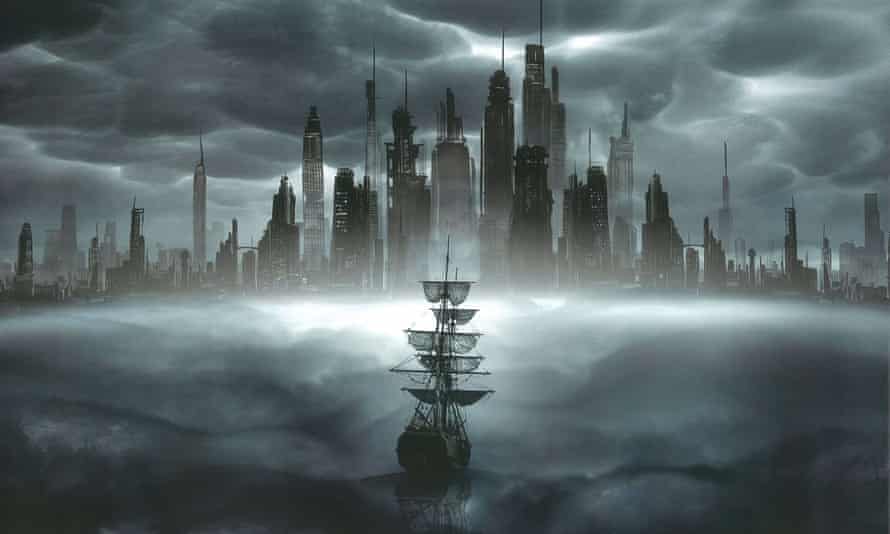
9
Cloud Atlas
David Mitchell (2004)
The epic that fabricated Mitchell'south name is a Russian doll of a book, nesting stories within stories and spanning centuries and genres with aplomb. From a 19th-century seafarer to a tale from across the end of culture, via 1970s nuclear intrigue and the testimony of a futurity clone, these dizzying narratives are delicately interlinked, highlighting the echoes and recurrences of the vast human symphony.
Read the review
8
Autumn
by Ali Smith (2016)
Smith began writing her Seasonal Quartet, a still-ongoing experiment in quickfire publishing, against the background of the Eu referendum. The resulting "starting time Brexit novel" isn't merely a snapshot of a newly divided U.k., but a dazzling exploration into honey and art, fourth dimension and dreams, life and death, all done with her customary invention and wit.
Read the review
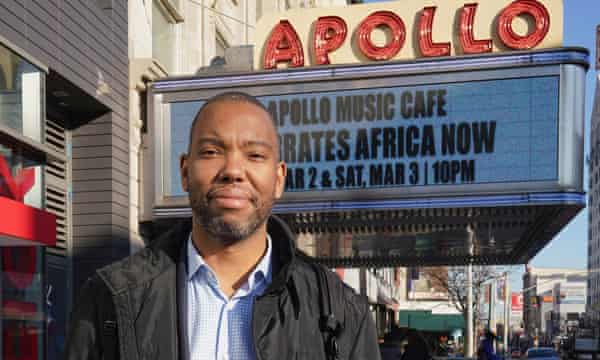
7
Between the World and Me
by Ta-Nehisi Coates (2015)
Coates's impassioned meditation on what information technology means to be a blackness American today made him one of the country's nigh important intellectuals and writers. Having grown up the son of a former Black Panther on the violent streets of Baltimore, he has a vocalisation that is challenging but besides poetic. Between the Earth and Me takes the course of a letter to his teenage son, and ranges from the daily reality of racial injustice and police violence to the history of slavery and the civil war: white people, he writes, will never think "the scale of theft that enriched them".
Read the review
half dozen
The Amber Spyglass
by Philip Pullman (2000)
Children's fiction came of age when the last office of Pullman's His Night Materials trilogy became the showtime volume for younger readers to win the Whitbread book of the year award. Pullman has brought imaginative burn down and storytelling bravado to the weightiest of subjects: religion, free will, totalitarian structures and the human drive to learn, rebel and grow. Here Asriel'south struggle against the Authority reaches its climax, Lyra and Will journeying to the Land of the Dead, and Mary investigates the mysterious unproblematic particles that lend their proper noun to his current trilogy: The Book of Dust. The Hollywood-fuelled commercial success achieved by JK Rowling may accept eluded Pullman so far, but his sophisticated reworking of Paradise Lost helped developed readers throw off any embarrassment at enjoying fiction written for children – and publishing has never looked back.
Read the review
5
Austerlitz
past WG Sebald (2001), translated by Anthea Bell (2001)
Sebald died in a car crash in 2001, merely his genre-defying mix of fact and fiction, keen sense of the moral weight of history and interleaving of inner and outer journeys have had a huge influence on the contemporary literary mural. His terminal work, the typically allusive life story of 1 man, charts the Jewish disapora and lost 20th century with heartbreaking power. Read the review
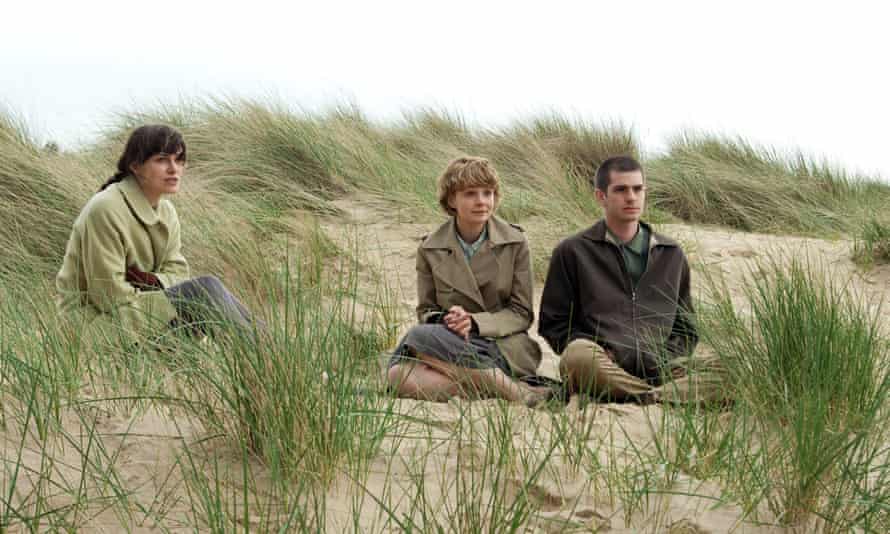
iv
Never Let Me Go
by Kazuo Ishiguro (2005)
From his 1989 Booker winner The Remains of the Solar day to 2015's The Cached Giant, Nobel laureate Ishiguro writes profound, puzzling allegories most history, nationalism and the individual's place in a globe that is always beyond our understanding. His 6th novel, a love triangle fix among homo clones in an alternative 1990s England, brings exquisite understatement to its exploration of mortality, loss and what it means to be human being.
Read the review
three
Secondhand Fourth dimension
by Svetlana Alexievich (2013), translated past Bela Shayevich (2016)
The Belarusian Nobel laureate recorded thousands of hours of testimony from ordinary people to create this oral history of the Soviet Union and its end. Writers, waiters, doctors, soldiers, one-time Kremlin apparatchiks, gulag survivors: all are given space to tell their stories, share their acrimony and betrayal, and voice their worries about the transition to capitalism. An unforgettable volume, which is both an act of catharsis and a profound sit-in of empathy.
two
Gilead
by Marilynne Robinson (2004)
Robinson's meditative, deeply philosophical novel is told through letters written by elderly preacher John Ames in the 1950s to his young son who, when he finally reaches an machismo his father won't run into, will at to the lowest degree have this posthumous i-sided chat: "While you read this, I am imperishable, somehow more than live than I have ever been." This is a volume well-nigh legacy, a tape of a pocket of America that will never render, a reminder of the heartbreaking, ephemeral beauty that can be found in everyday life. As Ames concludes, to his son and himself: "There are a thousand thousand reasons to alive this life, every one of them sufficient."
Read the review
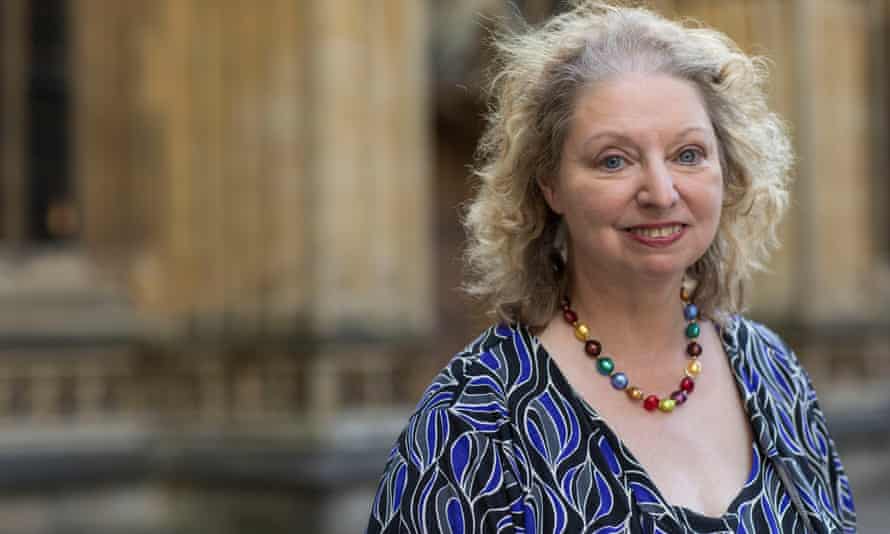
ane
Wolf Hall
by Hilary Mantel (2009)
Mantel had been publishing for a quarter century earlier the project that made her a miracle, ready to exist concluded with the third part of the trilogy, The Mirror and the Light, next March. To read her story of the rise of Thomas Cromwell at the Tudor court, detailing the making of a new England and the cocky-cosmos of a new kind of human being, is to step into the stream of her irresistibly authoritative present tense and find oneself looking out from behind her hero's eyes. The surface details are sensuously, vividly immediate, the language every bit fresh equally new paint; but her exploration of ability, fate and fortune is also securely considered and constantly in dialogue with our own era, every bit we are shaped and created by the past. In this volume we take, every bit she intended, "a sense of history listening and talking to itself".
Read the review
Source: https://www.theguardian.com/books/2019/sep/21/best-books-of-the-21st-century
0 Response to "Change the World Book Review Written by M"
Post a Comment